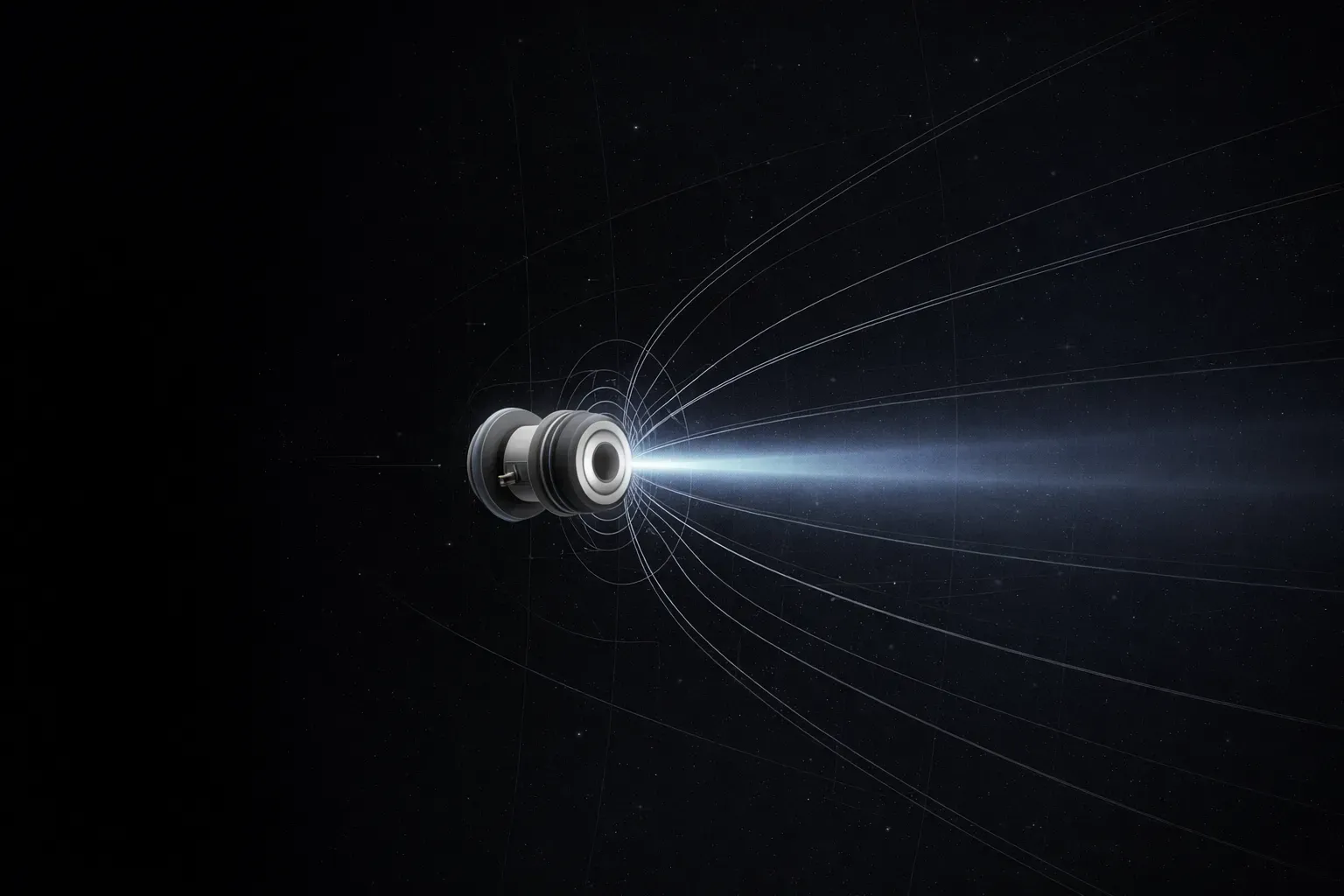
Building Tomorrow, Today
Kaara Space explores advanced propulsion and spacecraft systems for future deep space missions. Our work focuses on the physics and engineering behind efficient propulsion technologies that will enable the next generation of space exploration.

About Kaara Space
Kaara Space focuses on the engineering challenges behind advanced propulsion and spacecraft systems for deep space missions. Our work explores the physics of plasma propulsion, electromagnetic field design, and the integration of propulsion technologies with spacecraft architecture. By studying these systems from first principles, we aim to contribute to the development of efficient and reliable propulsion technologies for the next era of space exploration.
Focus Areas

Electric Propulsion
Research into high-efficiency propulsion architectures for long-duration space missions.

Plasma & Electromagnetic Systems
Exploring plasma dynamics and electromagnetic field design in advanced propulsion systems

Spacecraft Systems Engineering
Integration of propulsion technologies within spacecraft architecture.

Deep Space Technologies
Engineering systems that support reliable exploration beyond Earth orbit.
Research
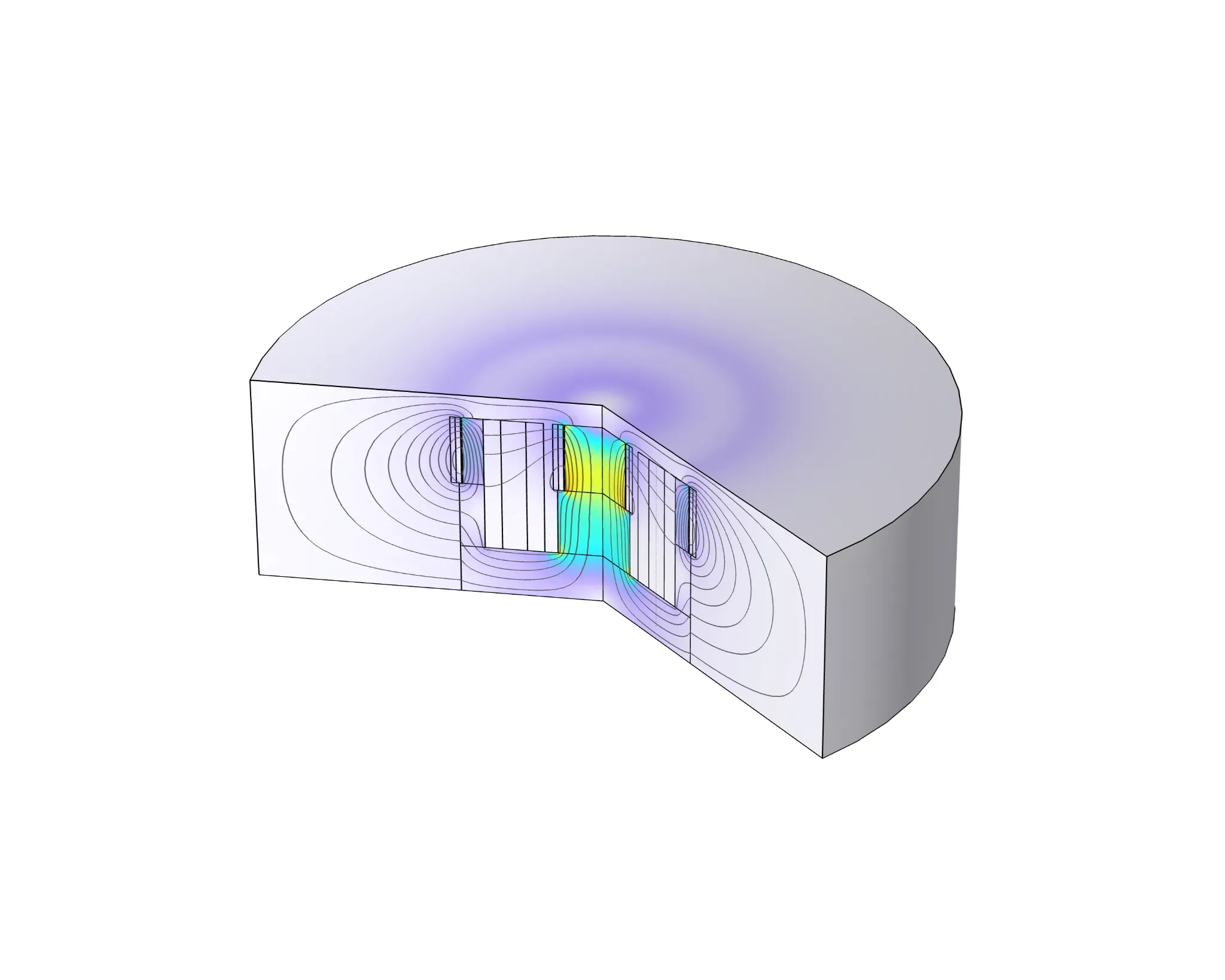
Our research focuses on the engineering and physics of advanced electric propulsion and spacecraft systems for deep space missions. Current work explores plasma acceleration mechanisms, magnetic field topology in propulsion devices, and the interaction between propulsion systems and spacecraft architecture. By studying these areas from first principles and through modeling and experimental design, we aim to contribute to propulsion technologies capable of enabling efficient and reliable long-duration spaceflight.